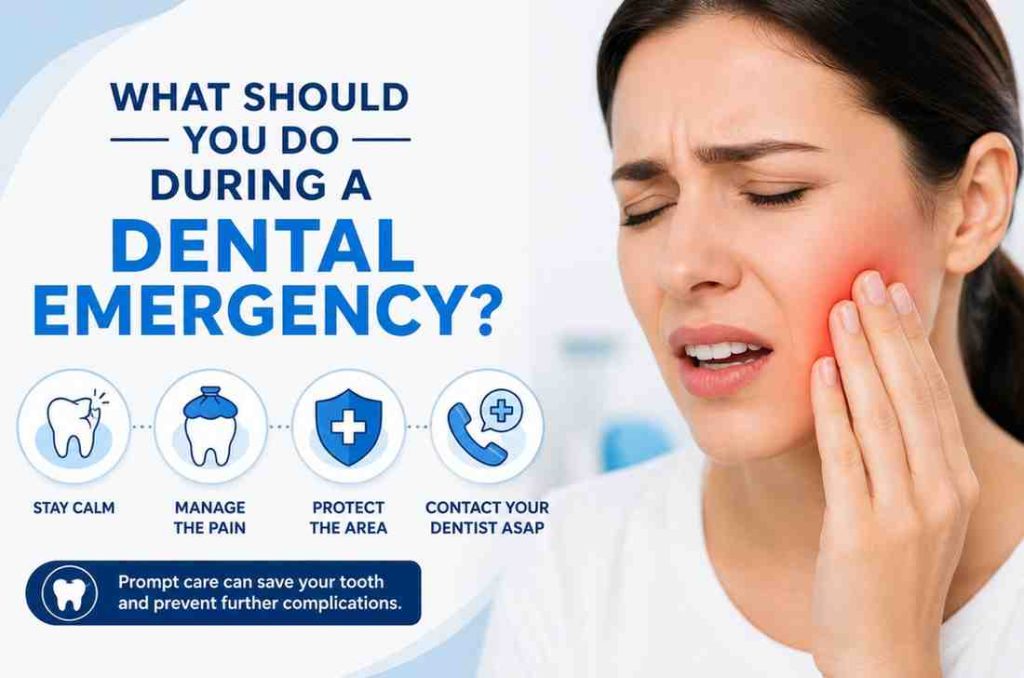
A dental emergency can create intense pain, bleeding, swelling, or damage that affects daily life within minutes. Quick action often protects teeth, prevents infection, and reduces long-term complications. However, panic can make the situation worse and delay proper care. Knowing how to respond during common dental emergencies helps people stay calm and make safer decisions. From a broken tooth to sudden swelling, the right steps can reduce discomfort and improve treatment outcomes. Immediate attention, careful hygiene, and proper communication with a dental professional remain essential during any urgent oral health situation.
Table of Contents
ToggleRecognizing a Dental Emergency
Not every dental problem requires urgent treatment. However, several conditions need immediate care because they can threaten oral health or spread infection quickly.
Common signs of a dental emergency include:
- Severe or persistent tooth pain
- Bleeding that does not stop
- Swelling in the face or gums
- A knocked-out or loose tooth
- Cracked or broken teeth
- Difficulty swallowing or breathing
- Sudden sensitivity with swelling
- Signs of infection or pus
Consequently, identifying these warning signs early allows faster treatment and lowers the risk of complications. Mild discomfort without swelling may wait for a scheduled visit, whereas severe pain or trauma usually requires immediate attention.
Staying Calm During the First Few Minutes
The first response after a dental emergency often determines how much damage occurs afterward. Therefore, staying calm should remain the priority. Panic may increase bleeding, raise blood pressure, and make clear thinking difficult.
Start by assessing the injury carefully. Look for bleeding, swelling, broken teeth, or pain. Moreover, rinse the mouth gently with warm water to remove debris and bacteria. Avoid aggressive rinsing because it may irritate damaged tissue.
If bleeding occurs, place clean gauze on the area and apply light pressure for several minutes. In contrast, heavy bleeding that continues despite pressure may require emergency medical attention.
Pain control also matters during the early stages. Applying a cold compress to the outside of the face can reduce swelling and numb discomfort. Avoid placing aspirin directly on the gums because it may burn soft tissue.
What to Do for a Knocked-Out Tooth?
A knocked-out tooth requires immediate attention because timing significantly affects the chance of saving the tooth. Acting within the first hour offers the best possibility for successful reattachment.
Handle the Tooth Carefully
Pick up the tooth only by the crown, not the root. Touching the root may damage sensitive tissue needed for reinsertion. Furthermore, rinse the tooth gently with water if dirt appears on the surface. Never scrub or dry the tooth aggressively.
Keep the Tooth Moist
Place the tooth back into the socket if possible. Hold it gently in position while seeking emergency dental care. However, if reinsertion feels impossible, store the tooth in milk or saliva to keep the tissue moist.
Seek Immediate Treatment
Quick professional treatment improves the likelihood of saving the tooth. Delays may lead to permanent tooth loss and additional procedures later.
Managing a Broken or Chipped Tooth
Broken teeth range from minor cosmetic damage to serious fractures exposing nerves. Consequently, the response should depend on the severity of the injury.
For a chipped tooth without pain, rinse the mouth and save any fragments if possible. Moreover, avoid chewing on the affected side until treatment occurs.
A larger fracture may expose inner layers of the tooth and create severe sensitivity. In that situation:
- Rinse gently with warm water
- Apply gauze if bleeding occurs
- Use a cold compress for swelling
- Avoid hard foods
- Seek prompt dental treatment
Sharp edges may also cut the tongue or cheeks. Dental wax or sugar-free gum can temporarily cover rough surfaces until treatment becomes available.
Responding to Severe Toothaches
Persistent tooth pain often signals infection, decay, nerve irritation, or gum disease. Although temporary pain relief may help, ignoring severe discomfort can worsen the condition rapidly.
Rinse and Clean Carefully
Food trapped between teeth sometimes causes pressure and irritation. Therefore, rinse the mouth with warm salt water and floss gently around the painful area. Avoid forcing floss because aggressive movement may injure the gums.
Reduce Swelling
Cold compresses placed outside the face may reduce inflammation and pain. In contrast, heat can increase swelling and discomfort in some situations.
Avoid Dangerous Home Remedies
Never place alcohol, aspirin, or sharp objects against the gums or teeth. These methods may damage tissue and delay proper treatment. Instead, follow safe oral hygiene practices until professional care becomes available.
Handling Dental Abscesses and Infections
Dental infections require urgent care because bacteria can spread into nearby tissues, the jaw, or other areas of the body. Symptoms may include swelling, throbbing pain, fever, bad taste, or pus near the gums.
Ignoring an abscess may create serious health risks. Therefore, immediate treatment remains essential.
Steps to follow during a suspected infection include:
- Rinse gently with warm salt water
- Keep the mouth clean
- Avoid pressing on swollen areas
- Drink water regularly
- Seek emergency dental treatment quickly
In difficult situations, swelling may affect breathing or swallowing. Consequently, emergency medical care becomes necessary without delay.
What to Do When a Crown or Filling Falls Out?
Lost restorations can expose sensitive parts of the tooth and increase discomfort. However, temporary measures may protect the area until treatment occurs.
If a filling falls out:
- Rinse the mouth carefully
- Keep the area clean
- Avoid chewing sticky foods
- Use a temporary dental filling material if available
If a crown falls out, store it safely and bring it to the appointment. Moreover, avoid attempting permanent reattachment with household glue because harmful chemicals may damage the tooth and gums.
Temporary dental cement from a pharmacy may help secure the crown briefly. Nevertheless, professional evaluation remains necessary to prevent further damage.
Managing Soft Tissue Injuries
Cuts to the lips, tongue, cheeks, or gums often bleed heavily because oral tissues contain many blood vessels. Although bleeding may appear alarming, minor injuries frequently heal well with proper care.
Control the Bleeding
Use clean gauze or a soft cloth to apply gentle pressure. Continue pressure for at least ten minutes without interruption. Furthermore, avoid excessive talking or movement that may reopen the wound.
Reduce Swelling
Cold compresses help control swelling and discomfort. Ice should remain wrapped in cloth rather than placed directly against the skin.
Know When Emergency Care Is Necessary
Deep cuts, uncontrolled bleeding, or injuries involving facial trauma require immediate medical attention. Consequently, severe injuries should never wait for routine appointments.
Dental Emergencies in Children
Children frequently experience dental injuries during sports, playground activities, or accidental falls. Therefore, caregivers should know how to respond quickly and safely.
Baby teeth require careful handling because improper treatment may affect the permanent teeth developing underneath. If a baby tooth becomes knocked out, avoid placing it back into the socket unless instructed by a dental professional.
For children experiencing dental emergencies:
- Stay calm and reassure the child
- Control bleeding with clean gauze
- Use cold compresses for swelling
- Save broken tooth fragments
- Seek prompt professional care
Mouthguards during sports can significantly reduce the risk of serious dental injuries. Moreover, supervising young children around hard surfaces and sharp objects may prevent accidents at home.
Preparing an Emergency Dental Kit
A well-stocked dental emergency kit allows faster action during stressful situations. Keeping essential supplies nearby at home, work, or during travel can reduce panic and improve early care.
Useful items include:
- Sterile gauze
- Disposable gloves
- Small storage container
- Saline solution
- Dental wax
- Temporary dental cement
- Pain relievers
- Cold packs
- Floss
- Contact information for emergency care
Additionally, families should keep updated insurance details and medical information accessible during emergencies.
Preventing Dental Emergencies Before They Happen
Although emergencies cannot always be avoided, preventive care greatly lowers the risk of injury and infection.
Maintain Regular Oral Hygiene
Brushing twice daily, flossing consistently, and limiting sugary foods help prevent decay and gum disease. Consequently, healthy teeth remain stronger and less vulnerable to sudden damage.
Wear Protective Mouthguards
Athletes participating in contact sports should wear properly fitted mouthguards. Protective equipment cushions impacts and lowers the risk of fractures or tooth loss.
Avoid Harmful Habits
Chewing ice, opening packages with teeth, and biting hard objects may weaken teeth over time. In contrast, healthier habits protect dental structures from unnecessary stress.
Schedule Routine Dental Visits
Regular examinations identify hidden problems before they become emergencies. A dentist in Florham Park NJ, may detect early signs of infection, cracks, or gum disease before serious symptoms appear.
The Importance of Fast Professional Treatment
Many people delay dental treatment because symptoms temporarily improve. However, waiting often allows infection or structural damage to worsen. Small cracks may deepen, while untreated decay can reach the nerves quickly.
Professional treatment also helps preserve natural teeth whenever possible. Dentists use imaging, examination, and targeted procedures to identify hidden damage that home care cannot address.
Moreover, early treatment may reduce costs by preventing more extensive procedures later. Fast action often protects oral health, comfort, appearance, and overall well-being.
Common Mistakes That Can Worsen Dental Emergencies
Many people unintentionally worsen dental injuries by using unsafe methods before receiving professional care. Consequently, avoiding common mistakes can protect teeth, gums, and surrounding tissues from additional harm.
Several actions should never occur during a dental emergency:
- Ignoring persistent swelling or bleeding
- Applying aspirin directly to the gums
- Using household glue on broken restorations
- Scrubbing a knocked-out tooth aggressively
- Delaying treatment because the pain decreases temporarily
- Using sharp objects to remove debris from the gums
- Eating hard foods after an injury
Attempting self-treatment without proper knowledge may increase infection risk or damage sensitive tissue further. Moreover, internet remedies and unverified treatments often create complications that make professional repair more difficult.
People should also avoid smoking or consuming alcohol after oral injuries because these habits may slow healing and irritate damaged tissue. In contrast, drinking water and maintaining gentle oral hygiene can support recovery until treatment becomes available.
Communication with dental professionals remains equally important during emergencies. Providing accurate details about symptoms, medications, allergies, and the timing of the injury helps dental teams respond more effectively. Consequently, clear communication may improve treatment planning and reduce delays during urgent situations.
Patients who experience repeated dental emergencies should also consider whether hidden issues contribute to the problem. Untreated decay, weakened restorations, nighttime grinding, and poor oral hygiene may increase the likelihood of future injuries or infections. Addressing these factors early can strengthen oral health and reduce repeated emergencies over time.
Conclusion
Dental emergencies require quick thinking, careful action, and prompt professional treatment. Whether the problem involves pain, swelling, trauma, or infection, early response can protect teeth and prevent serious complications. Moreover, maintaining good oral hygiene, wearing protective gear, and addressing minor concerns quickly may reduce future emergencies. Staying prepared with basic emergency knowledge and supplies allows safer decisions during stressful situations and supports better long-term oral health outcomes.
FAQs
1. How can I tell whether tooth pain is an emergency?
Severe pain lasting several hours, especially with swelling, fever, or bleeding, may indicate infection or nerve damage. Consequently, prompt dental care becomes necessary. Mild sensitivity without swelling may wait briefly, but worsening symptoms should never be ignored because delayed treatment can increase complications and discomfort significantly.
2. Should I visit an emergency room for a dental problem?
Hospital emergency rooms can help with severe swelling, uncontrolled bleeding, breathing difficulty, or facial trauma. However, most tooth-related conditions require dental treatment rather than general medical care. Calling a dental office first often helps determine whether immediate medical attention or urgent dental treatment is more appropriate.
3. Can a knocked-out tooth be saved?
Yes, rapid action greatly improves the chance of saving the tooth. Handle it carefully by the crown, keep it moist, and seek treatment immediately. Consequently, reinsertion within an hour often provides better outcomes than delayed care. Proper storage and quick professional treatment remain extremely important.
4. What foods should I avoid after a dental injury?
Avoid hard, crunchy, sticky, or extremely hot foods because they may increase pain or worsen damage. Instead, choose soft foods that require minimal chewing. Moreover, avoiding sugary snacks may reduce irritation around injured tissue and lower the risk of additional bacterial growth during recovery.
5. Is swelling in the gums always serious?
Minor irritation may cause temporary swelling, but significant swelling often indicates infection or injury. Consequently, swelling with fever, severe pain, or pus requires immediate professional attention. Ignoring these symptoms may allow bacteria to spread into nearby tissues and create more serious health complications over time.
6. Can I treat a broken tooth at home?
Home care may provide temporary relief, but it cannot repair structural damage permanently. Rinsing the mouth, controlling bleeding, and protecting sharp edges may help briefly. However, professional treatment remains necessary because untreated fractures may expose nerves, increase infection risk, and weaken the tooth further.
7. Why does a dental abscess require urgent treatment?
A dental abscess contains an infection that may spread beyond the mouth if ignored. Symptoms often include swelling, pain, fever, and pus formation. Consequently, prompt treatment helps control bacteria, relieve discomfort, and prevent severe complications affecting the jaw, surrounding tissues, or overall health.
8. What should parents do if a child breaks a tooth?
Parents should remain calm, rinse the mouth gently, and save any tooth fragments. Applying a cold compress may reduce swelling and discomfort. Moreover, prompt dental evaluation helps determine whether more serious damage exists. Quick treatment may protect developing teeth and reduce long-term complications for the child.
9. Can stress contribute to dental emergencies?
Stress may lead to teeth grinding, jaw clenching, or neglected oral hygiene, all of which can increase dental problems. Consequently, prolonged stress sometimes contributes to cracked teeth, jaw pain, and gum irritation. Managing stress and using protective night guards may reduce these risks significantly.
10. How quickly should treatment happen after a dental emergency?
Many dental emergencies require treatment within hours rather than days. Fast care often improves outcomes for knocked-out teeth, infections, and severe fractures. Therefore, contacting a dental professional immediately after symptoms appear helps reduce complications, protect oral structures, and increase the likelihood of successful recovery.