

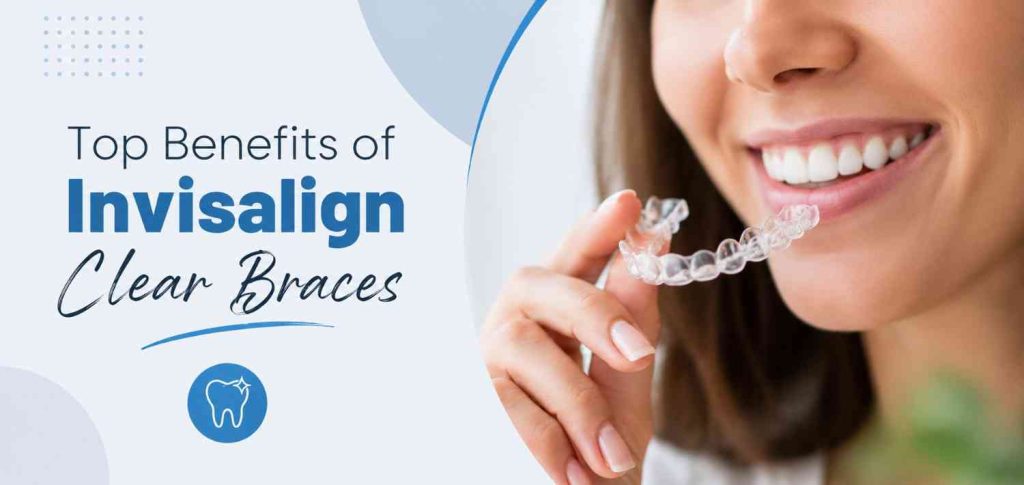
Orthodontic treatment has evolved significantly with the introduction of clear aligner systems designed to straighten teeth more discreetly. Invisalign clear braces provide an alternative to traditional metal braces by using removable transparent aligners that gradually shift teeth into better alignment. Consequently, many patients choose this treatment because it combines aesthetics, convenience, and comfort during orthodontic correction.
Invisalign may help improve smile appearance, bite function, and oral hygiene while minimizing the visibility associated with conventional braces. However, successful treatment still requires consistency, discipline, and proper maintenance throughout the alignment process to achieve healthier and more balanced long-term results.
Table of Contents
ToggleWhat Is Invisalign?
Invisalign uses a series of clear plastic aligners custom-made to move teeth gradually into desired positions. Each aligner applies controlled pressure that encourages slow and predictable tooth movement.
Unlike traditional braces, Invisalign does not use:
- Metal brackets
- Wires
- Elastic ties
Consequently, many patients prefer Invisalign because the aligners remain far less noticeable during treatment.
Patients typically switch to new aligners every one or two weeks, depending on treatment planning. Each set continues the alignment process step by step until the final desired position is reached.
Nearly Invisible Appearance
One of the most recognized Invisalign advantages involves the discreet appearance of clear aligners.
Minimal Visibility During Daily Activities
Transparent aligners fit closely against the teeth and are difficult to notice during conversations or smiling. Consequently, many adults and teenagers feel more confident during orthodontic treatment.
Professional environments, social gatherings, and photographs often become less stressful because aligners avoid the highly visible appearance associated with metal braces.
Greater Confidence Throughout Treatment
Some individuals delay orthodontic care because they worry about visible braces affecting their appearance. Invisalign may reduce these concerns significantly.
Consequently, patients often feel more comfortable:
- Speaking publicly
- Smiling naturally
- Attending events
- Participating in meetings
The discreet design supports greater confidence during the alignment process.
Improved Comfort Compared With Metal Braces
Traditional braces may create irritation because brackets and wires rub against cheeks and lips. In contrast, Invisalign aligners use smooth plastic surfaces.
Fewer Sharp Components
Clear aligners avoid metal edges and protruding wires. Consequently, patients often experience less irritation inside the mouth during treatment.
Orthodontic wax becomes less necessary because no brackets scrape soft tissues repeatedly.
Gradual and Controlled Tooth Movement
Each aligner stage introduces gentle pressure designed to move teeth progressively. Although temporary soreness may occur, many patients consider Invisalign more comfortable overall than traditional braces.
Consistent aligner wear also helps reduce repeated adjustment discomfort.
Removable Design Offers Greater Flexibility
Invisalign aligners remain removable during eating, brushing, and special occasions. Consequently, treatment often fits more easily into daily life.
Easier Mealtime Experience
Patients remove aligners before meals, which means food restrictions remain minimal compared with traditional braces.
Individuals can continue enjoying foods such as:
- Popcorn
- Nuts
- Apples
- Chewy bread
- Crunchy vegetables
In contrast, metal braces often require avoiding hard or sticky foods to prevent bracket damage.
Convenient for Special Events
Patients may briefly remove aligners for:
- Weddings
- Photographs
- Presentations
- Performances
However, aligners should remain worn for the recommended daily duration to maintain treatment progress.
Better Oral Hygiene Maintenance
Oral hygiene often becomes easier with removable aligners compared with fixed braces.
Brushing and Flossing Stay Simpler
Traditional braces may trap food particles around brackets and wires. Consequently, brushing and flossing often require additional effort.
With Invisalign, patients remove aligners before oral hygiene routines. Therefore, cleaning teeth thoroughly remains easier during treatment.
Better access supports:
- Cleaner tooth surfaces
- Healthier gums
- Reduced plaque buildup
- Improved flossing habits
Lower Risk of White Spot Lesions
Poor hygiene around braces sometimes causes white spot lesions or enamel discoloration. Consequently, removable aligners may help reduce this risk when patients maintain proper brushing and flossing habits consistently.
Healthy oral care remains essential throughout treatment, regardless of appliance type.
Fewer Emergency Orthodontic Visits
Broken wires and detached brackets sometimes create orthodontic emergencies during traditional braces treatment.
Reduced Appliance Breakage
Invisalign aligners contain no metal hardware that may snap or loosen unexpectedly. Consequently, many patients experience fewer urgent appointments related to appliance damage.
This convenience often appeals to busy professionals, students, and families managing tight schedules.
Easier Maintenance During Travel
Travel becomes more manageable because aligners require fewer emergency adjustments compared with braces. Patients simply continue wearing their trays according to schedule while maintaining regular cleaning habits.
Proper storage remains important to prevent loss or damage.
Effective Treatment for Many Orthodontic Problems
Invisalign can treat several common orthodontic conditions successfully.
Common Problems Invisalign May Correct
These aligners often address:
- Crowded teeth
- Gaps between teeth
- Mild bite issues
- Crooked teeth
- Overbites
- Underbites
- Crossbites
Consequently, many patients qualify for treatment depending on alignment complexity.
Treatment Planning Continues Improving
Advances in digital technology and aligner design continue expanding Invisalign capabilities. However, severe skeletal problems may still require traditional orthodontic approaches or surgical treatment in certain situations.
A professional evaluation determines suitability carefully.
Digital Technology Improves Precision
Modern Invisalign treatment relies heavily on advanced digital planning systems.
Digital Scanning Replaces Traditional Impressions
Many providers use digital scanners instead of traditional molding materials. Consequently, patients often experience improved comfort during the impression process.
Digital scanning also helps create detailed three-dimensional images for more accurate treatment planning.
Visual Treatment Simulations
Some systems allow patients to preview projected tooth movement and estimated outcomes before treatment begins.
Consequently, digital visualization may improve communication and help patients feel more informed about the orthodontic process.
Shorter Office Appointments
Invisalign appointments often require less chair time compared with traditional braces adjustments.
Faster Routine Visits
Many follow-up visits focus on monitoring progress and distributing new aligners rather than tightening wires or replacing brackets.
Consequently, appointments may feel quicker and more convenient for patients with demanding schedules.
Improved Scheduling Flexibility
Shorter visits often support easier scheduling for:
- Students
- Parents
- Professionals
- Frequent travelers
However, regular appointments remain important for monitoring tooth movement and treatment accuracy.
Reduced Risk During Sports and Activities
Active individuals often appreciate Invisalign because clear aligners may reduce oral injury risks compared with metal braces.
Safer for Contact Sports
Metal brackets may injure lips or cheeks during physical impact. In contrast, smooth aligners create fewer sharp edges inside the mouth.
Consequently, athletes often feel more comfortable participating in sports while wearing aligners.
Mouthguard Compatibility
Patients may also remove aligners temporarily and wear sports mouthguards during athletic activities when instructed by their provider.
Protective gear remains important regardless of orthodontic treatment type.
Improved Speech Adaptation Over Time
Some patients initially notice slight speech changes during early aligner wear. However, most individuals adjust quickly.
Faster Adaptation for Many Patients
Because Invisalign aligners fit closely to the teeth, speech often normalizes within several days.
Temporary effects may include:
- Minor lisping
- Increased saliva production
- Pronunciation adjustments
Consequently, most patients adapt relatively quickly during regular speaking routines.
Less Interference With Public Communication
Many professionals appreciate aligners because speech disruption generally remains limited after the adjustment period.
Frequent speaking often helps accelerate adaptation naturally.
Customized Treatment Planning
Every Invisalign treatment plan becomes customized according to the patient’s specific tooth alignment needs.
Individualized Tooth Movement
Digital planning systems create aligners designed for precise tooth movement stages. Consequently, treatment targets individual alignment goals more accurately.
Customization may improve:
- Fit
- Comfort
- Predictability
- Treatment efficiency
Monitoring Progress Throughout Treatment
Regular progress checks help providers evaluate the aligner fit and tooth movement carefully.
Adjustments or refinement of aligners may become necessary if teeth require additional correction before treatment completion.
Improved Confidence and Emotional Comfort
Orthodontic treatment often affects emotional well-being as much as physical appearance.
Smile Confidence During Treatment
Many patients feel more comfortable smiling during Invisalign treatment because aligners are less visible.
Consequently, individuals may experience greater confidence during:
- Social interaction
- Professional communication
- Photographs
- Public presentations
The discreet appearance often reduces self-consciousness significantly.
Long-Term Emotional Benefits
Straighter teeth may improve both appearance and bite function after treatment. Consequently, many individuals feel more satisfied with their smiles and oral health afterward.
Balanced expectations remain important throughout the alignment process.
Invisalign May Support Better Gum Health
Crowded or overlapping teeth sometimes make oral hygiene more difficult.
Straighter Teeth Improve Cleaning Access
Improved alignment may allow easier brushing and flossing between teeth. Consequently, plaque removal often becomes more effective after orthodontic correction.
Healthier cleaning access may reduce risks involving:
- Gum inflammation
- Cavities
- Plaque buildup
- Bad breath
Gum Tissue Benefits From Better Alignment
Balanced tooth positioning may also reduce excessive pressure on gums and supporting tissues. Consequently, orthodontic treatment may support healthier long-term periodontal stability when combined with strong oral hygiene habits.
Lifestyle Habits Still Matter During Treatment
Although Invisalign offers flexibility, treatment success still depends heavily on patient responsibility.
Consistent Wear Remains Essential
Patients typically need to wear aligners for twenty to twenty-two hours daily. Consequently, forgetting aligners or removing them too frequently may delay progress significantly.
Discipline strongly influences treatment outcomes.
Proper Cleaning Prevents Problems
Aligners require regular cleaning to prevent:
- Odors
- Staining
- Bacterial buildup
- Cloudy appearance
Maintaining both oral hygiene and aligner cleanliness supports healthier treatment conditions throughout the process.
Retainers Help Preserve Results
Orthodontic treatment does not end immediately after the final aligner stage.
Teeth Naturally Shift Over Time
Without retainers, teeth may gradually return toward previous positions. Consequently, retainer wear remains essential for preserving alignment results long-term.
Several retainer options may include:
- Clear removable retainers
- Bonded retainers
- Hawley retainers
Long-Term Maintenance Protects Investment
Retainers help maintain both cosmetic appearance and bite stability after treatment completion. Consequently, consistent use protects the progress achieved throughout orthodontic care.
A dentist in Florham Park NJ, may recommend customized retainer schedules based on alignment stability and individual treatment needs.
Invisalign for Teenagers and Adults
Invisalign appeals to both teenagers and adults seeking less noticeable orthodontic correction.
Teen-Friendly Benefits
Teenagers often appreciate:
- Fewer food restrictions
- Discreet appearance
- Sports flexibility
- Easier brushing
Some aligner systems even include wear indicators that help monitor compliance.
Adult Orthodontic Appeal
Adults frequently choose Invisalign because treatment integrates more comfortably into professional and social lifestyles.
Consequently, many adults pursue orthodontic correctionthat they previously postponed because of concerns about visible braces.
Conclusion
Invisalign clear braces offer several important advantages for patients seeking straighter teeth with greater comfort and discretion. The removable aligners support easier oral hygiene, flexible eating habits, and improved confidence during treatment compared with traditional braces. Consequently, many teenagers and adults prefer Invisalign because it combines aesthetics with modern orthodontic technology and customized treatment planning.
However, successful results still depend heavily on patient discipline, proper aligner care, and consistent wear throughout the alignment process. Regular monitoring, strong oral hygiene habits, and long-term retainer use also remain essential for preserving healthier bite function, improved smile appearance, and lasting orthodontic stability after treatment completion.
FAQs
1. How long should Invisalign aligners remain worn daily?
Most providers recommend wearing Invisalign aligners between twenty and twenty-two hours every day. Patients should remove them mainly for meals, beverages other than water, and oral hygiene routines. Consequently, consistent wear remains essential for effective tooth movement and preventing unnecessary treatment delays or complications later.
2. Does Invisalign treatment hurt more than traditional braces?
Invisalign may create temporary pressure or mild soreness, especially after switching to new aligners. However, many patients consider aligners more comfortable because they avoid metal brackets and wires. Consequently, irritation inside the cheeks and lips often decreases significantly compared with traditional orthodontic treatment methods involving braces.
3. Can Invisalign treat severe orthodontic problems?
Invisalign successfully treats many alignment and bite issues, including crowding and spacing problems. However, extremely severe skeletal conditions may still require braces or surgical correction instead. Consequently, professional orthodontic evaluation remains necessary for determining whether aligners can achieve effective and stable treatment outcomes safely and predictably.
4. Why must aligners remain removed during meals?
Eating while wearing aligners may damage, stain, or warp the plastic material. Consequently, patients should always remove aligners before consuming food or beverages other than water. Cleaning the teeth before reinserting aligners also helps reduce plaque buildup, cavities, odors, and bacterial accumulation during orthodontic treatment.
5. Are Invisalign aligners noticeable while speaking?
Most people notice aligners far less than traditional braces because the trays remain transparent and fit closely against the teeth. Although slight speech adjustments may occur initially, many patients adapt quickly. Consequently, Invisalign often supports more confident communication during work, school, and social interactions throughout treatment.
6. Can patients drink coffee while wearing aligners?
Patients should remove aligners before drinking coffee because dark beverages may stain the trays and increase bacterial buildup. Hot liquids may also warp the plastic material. Consequently, water remains the safest beverage while aligners stay inside the mouth during daily orthodontic treatment and alignment correction schedules.
7. Does Invisalign improve oral hygiene access?
Yes, removable aligners allow patients to brush and floss more easily compared with fixed braces. Consequently, many individuals maintain cleaner teeth and healthier gums during treatment. However, proper hygiene habits remain essential because reinserting aligners over unclean teeth may still increase plaque accumulation and cavity risk.
8. How often do Invisalign patients visit the dental office?
Appointment frequency varies according to treatment plans and progress monitoring needs. However, many Invisalign follow-up visits occur less frequently and require shorter chair time than traditional braces adjustments. Consequently, patients often appreciate the convenience and scheduling flexibility associated with aligner treatment monitoring appointments and evaluations.
9. Why are retainers necessary after Invisalign treatment?
Teeth naturally shift over time because of chewing pressure, aging, and jaw movement. Consequently, retainers help preserve alignment after active orthodontic treatment finishes. Consistent retainer wear protects the results achieved during Invisalign treatment and reduces the likelihood of teeth gradually returning toward previous positions afterward.
10. Are Invisalign aligners suitable for teenagers?
Many teenagers qualify successfully for Invisalign treatment depending on alignment complexity and personal responsibility. Teenagers often appreciate the discreet appearance, sports flexibility, and reduced food restrictions. Consequently, aligners may improve confidence and convenience while still providing effective orthodontic correction when worn consistently according to instructions.