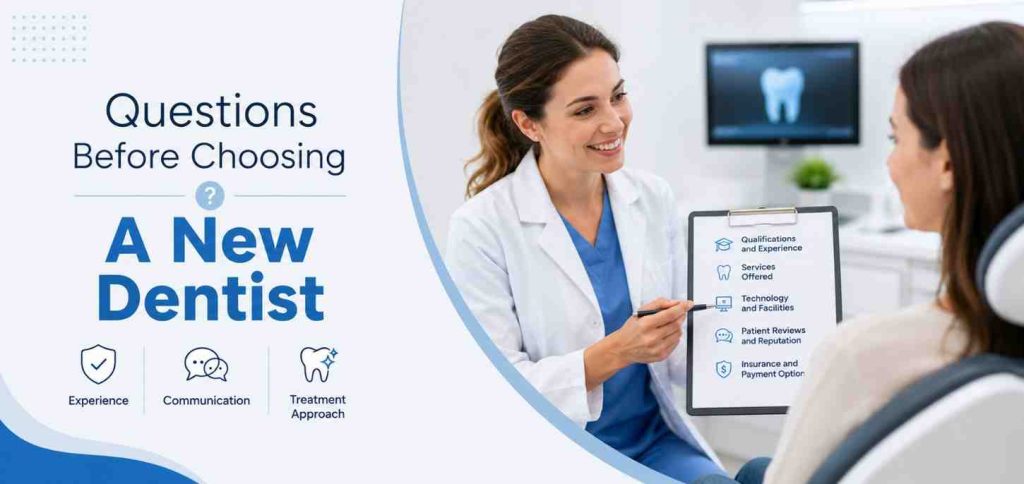
Choosing a new dentist affects far more than routine cleanings and occasional checkups. The right dental professional can improve comfort, support long-term oral health, and help patients feel more confident about treatment decisions. However, many people select a dental office based only on location or convenience without considering communication, experience, technology, or treatment philosophy. Consequently, mismatched expectations may create frustration and inconsistent care later. Asking thoughtful questions before making a final decision helps patients identify providers who align with their oral health needs, financial expectations, scheduling preferences, and overall comfort during dental visits and future treatment planning.
Table of Contents
ToggleWhy Choosing the Right Dentist Matters?
Dental care influences oral health, appearance, comfort, and overall well-being throughout life. Consequently, selecting the right provider becomes an important long-term decision rather than a simple convenience choice.
A strong patient-dentist relationship may support:
- Better preventive care
- Earlier diagnosis of problems
- Improved treatment consistency
- Reduced dental anxiety
- Long-term oral health planning
In contrast, poor communication or rushed treatment experiences may discourage regular appointments and delay important care.
Patients should evaluate more than office appearance or advertising claims when comparing providers. Experience, communication style, emergency availability, and patient education all contribute to overall care quality.
Question One: What Services Does the Dentist Provide?
Different dental offices focus on different areas of care. Therefore, patients should evaluate whether the practice offers services matching their current and future needs.
General Dentistry Services
Most dental practices provide preventive and restorative care, such as:
- Dental cleanings
- Fillings
- X-rays
- Gum evaluations
- Crowns
- Root canal treatment
However, not every office performs advanced cosmetic or orthodontic procedures.
Specialized Treatment Availability
Some patients may eventually require:
- Dental implants
- Veneers
- Invisalign treatment
- Oral surgery
- Periodontal care
- Pediatric dentistry
Consequently, choosing a practice offering broader services may simplify long-term care coordination.
Patients with children or ongoing oral conditions often benefit from practices capable of handling multiple treatment needs under one roof.
Emergency Care Considerations
Dental emergencies may happen unexpectedly. Therefore, patients should ask how the office handles urgent situations involving pain, swelling, broken teeth, or infections.
Fast emergency access often improves comfort and reduces complications significantly.
Question Two: Does the Dentist Prioritize Communication and Patient Comfort?
Clear communication strongly influences the overall dental experience. Consequently, patients should evaluate whether the dentist explains procedures, risks, and treatment options carefully.
Comfortable Communication Builds Trust
Patients should feel comfortable asking questions about:
- Treatment recommendations
- Costs
- Recovery expectations
- Preventive care
- Alternative options
Dentists who encourage discussion often help reduce anxiety and improve patient confidence during appointments.
Patient Comfort Matters During Treatment
Many individuals experience dental anxiety regardless of age. Consequently, compassionate communication and gentle care techniques remain extremely important.
Helpful comfort-focused practices may include:
- Calm explanations
- Flexible appointment pacing
- Sedation options
- Relaxed office environments
- Sensitivity accommodations
Patients who feel rushed or dismissed may avoid necessary treatment later.
Staff Interaction Also Matters
Front desk staff, hygienists, and assistants contribute significantly to the overall patient experience. Professional and respectful communication throughout the office often reflects the practice’s overall approach to care.
Question Three: What Are the Office Hours and Scheduling Policies?
Convenient scheduling often affects whether patients maintain consistent dental care routines. Therefore, office accessibility deserves careful consideration before choosing a new provider.
Flexible Appointment Availability
Some dental offices offer:
- Evening appointments
- Early morning scheduling
- Weekend availability
- Emergency visits
- Online booking systems
Patients with demanding work or family schedules may benefit from greater flexibility.
Cancellation and Wait Time Policies
Understanding scheduling expectations may prevent frustration later. Consequently, patients should ask about:
- Appointment delays
- Rescheduling policies
- Missed appointment fees
- Emergency accommodations
Efficient scheduling often reflects organized office management and respect for patient time.
Location and Travel Convenience
Travel distance may also influence long-term consistency with dental visits. Patients often prefer offices located near home, work, or school for easier appointment management.
However, convenience alone should not outweigh treatment quality or communication standards.
Question Four: What Technology and Safety Standards Does the Office Use?
Modern dental technology may improve diagnostic accuracy, patient comfort, and treatment efficiency significantly.
Diagnostic Technology
Many practices now use advanced tools such as:
- Digital X-rays
- Intraoral cameras
- Digital scanning systems
- Laser dentistry equipment
- Three-dimensional imaging
These technologies may improve treatment precision while reducing discomfort or radiation exposure.
Sterilization and Safety Protocols
Cleanliness and infection control remain essential in every dental setting. Consequently, patients should feel confident that the office follows proper sterilization procedures and safety standards consistently.
Visible cleanliness, organized treatment rooms, and professional handling of instruments often reflect strong hygiene practices.
Continuing Education and Updated Techniques
Dentistry continues evolving through new techniques and materials. Therefore, patients may benefit from providers who stay informed about modern treatment methods and preventive care advancements.
Ongoing professional education often supports better long-term treatment quality.
Question Five: Does the Dentist Accept Your Insurance and Explain Costs Clearly?
Financial transparency helps patients make informed treatment decisions without unnecessary confusion or stress.
Insurance Participation
Patients should confirm whether the office accepts their dental insurance plan before scheduling major treatment. Consequently, verifying coverage early may reduce unexpected expenses later.
Important financial questions include:
- Which insurance plans are accepted?
- Are payment plans available?
- How are treatment estimates explained?
- What happens if insurance changes?
Clear communication helps patients prepare financially for both preventive and restorative care.
Treatment Cost Transparency
Ethical dental practices explain treatment costs carefully before procedures begin. Consequently, patients should feel comfortable reviewing pricing details and asking questions without pressure.
Unexpected financial surprises may damage trust and discourage future dental care.
Flexible Financing Options
Some patients require extensive treatment that becomes easier to manage through installment plans or financing programs. Flexible options may improve access to necessary oral healthcare without delaying treatment.
Additional Factors Worth Considering
Beyond the five primary questions, several other considerations may influence the decision-making process.
Online Reviews and Reputation
Patient reviews may provide insight into:
- Appointment experiences
- Staff professionalism
- Wait times
- Communication quality
- Office cleanliness
However, individual reviews should not become the sole deciding factor because experiences vary between patients.
Recommendations From Family or Friends
Trusted recommendations sometimes help identify providers known for professionalism, honesty, and patient-centered care. Consequently, personal referrals may offer a useful perspective during the search process.
Office Environment and Atmosphere
The physical environment also affects comfort. Clean waiting areas, organized treatment rooms, and welcoming staff interactions often create a more positive overall experience.
The Importance of Preventive Dentistry
Choosing a dentist focused on prevention may improve long-term oral health outcomes significantly.
Preventive Care Helps Reduce Major Problems
Preventive dentistry often includes:
- Routine cleanings
- Oral cancer screenings
- Gum evaluations
- Fluoride treatment
- Early cavity detection
Consequently, regular preventive care may reduce the need for extensive restorative procedures later.
Education Encourages Better Habits
Dentists who educate patients about oral hygiene, nutrition, and risk factors often support healthier long-term habits.
Patients benefit from clear explanations involving:
- Brushing techniques
- Flossing methods
- Diet choices
- Tobacco risks
- Gum health
Education strengthens preventive care beyond office appointments alone.
Dental Anxiety and Emotional Comfort
Many adults and children experience anxiety surrounding dental treatment. Consequently, emotional comfort should remain an important consideration during provider selection.
Anxiety-Friendly Practices Improve Experiences
Some offices focus specifically on reducing patient stress through:
- Gentle communication
- Calm treatment pacing
- Sedation dentistry
- Relaxation methods
- Detailed explanations
Patients who feel emotionally supported often maintain more consistent dental care routines.
Children Require Extra Patience
Families with young children may benefit from providers experienced in pediatric communication and behavior management. Positive early experiences often influence long-term attitudes toward dental care significantly.
Compassionate treatment may reduce fear and improve cooperation during future visits.
Long-Term Relationships Improve Continuity of Care
Building a long-term relationship with one dental practice may improve consistency and treatment planning over time.
Consistent Records Support Better Care
Ongoing care within one office helps maintain accurate records involving:
- X-rays
- Treatment history
- Gum health
- Bite alignment
- Existing restorations
Consequently, continuity often supports earlier detection of subtle oral changes.
Familiarity Builds Trust
Patients who feel comfortable with a provider often communicate symptoms and concerns more openly. Strong communication may improve diagnosis accuracy and treatment planning significantly.
Trust also encourages patients to seek treatment earlier rather than delaying care because of fear or uncertainty.
Technology and Cosmetic Dentistry Expectations
Many patients seek cosmetic improvements alongside preventive care. Therefore, discussing aesthetic treatment philosophy may help identify compatible providers.
Cosmetic Services May Vary
Some practices emphasize cosmetic treatments such as:
- Teeth whitening
- Veneers
- Smile makeovers
- Invisalign aligners
- Bonding procedures
Patients interested in cosmetic enhancement should ask about available options and treatment planning processes.
Digital Smile Planning
Modern imaging and digital planning systems may help patients visualize potential cosmetic outcomes before treatment begins.
Consequently, technology often improves communication and treatment accuracy for cosmetic procedures.
A dentist in Florham Park NJ, may also discuss preventive strategies alongside cosmetic goals to maintain long-term oral health stability.
Red Flags to Watch For When Choosing a Dentist
Patients should remain aware of warning signs that may indicate communication or treatment concerns.
Potential red flags include:
- Pressure to accept unnecessary procedures
- Poor communication
- Lack of treatment explanations
- Frequent scheduling problems
- Unclear financial policies
- Unsanitary office conditions
- Dismissive staff interactions
Consequently, patients should trust their instincts if they feel uncomfortable during consultations or appointments.
Professionalism, honesty, and transparency remain essential components of quality dental care.
Why Second Opinions Sometimes Matter?
Patients facing extensive or expensive treatment plans may benefit from seeking a second opinion before proceeding.
Second Opinions Improve Confidence
Another evaluation may confirm:
- Treatment necessity
- Alternative options
- Cost expectations
- Timing considerations
Consequently, second opinions often help patients feel more informed and comfortable before making major dental decisions.
Ethical Dentists Respect Patient Decisions
Professional providers generally support informed decision-making and respect patient questions. Consequently, patients should never feel pressured into immediate treatment without adequate explanation.
Clear communication helps build stronger long-term trust.
Conclusion
Choosing a new dentist requires careful evaluation of communication, services, scheduling, technology, comfort, and financial transparency. Although convenience matters, long-term oral health depends more heavily on trust, preventive care, and consistent treatment quality. Consequently, asking thoughtful questions before selecting a provider may improve patient confidence and overall care experiences significantly. Strong communication, professional ethics, and patient-centered treatment approaches often support healthier outcomes and more comfortable dental visits over time. Patients who take time to compare options carefully usually feel better prepared to build lasting relationships with dental professionals who align with their oral health goals and personal expectations.
FAQs
1. How often should adults visit a dentist for routine care?
Most adults benefit from dental examinations and cleanings every six months, although some individuals may require more frequent visits because of gum disease or other conditions. Consequently, consistent preventive care helps identify problems early and supports healthier teeth, gums, and overall oral health over the long term.
2. Why is communication important when choosing a dentist?
Clear communication helps patients feel informed, respected, and comfortable during treatment. Dentists who explain procedures, costs, and alternatives carefully often reduce anxiety and improve trust. Consequently, strong communication supports better decision-making and encourages patients to maintain regular appointments instead of delaying important dental care unnecessarily.
3. What should patients ask during a first dental consultation?
Patients should ask about treatment philosophy, emergency care availability, office hours, insurance acceptance, technology, and preventive care approaches. Moreover, discussing comfort accommodations and communication expectations may help determine compatibility. Asking detailed questions often improves confidence before beginning long-term care with a new dental provider or office.
4. Do modern dental technologies improve treatment quality?
Advanced technology may improve diagnostic accuracy, comfort, and treatment efficiency significantly. Digital imaging, intraoral cameras, and scanning systems often support earlier problem detection and more precise treatment planning. Consequently, many patients appreciate offices that incorporate updated equipment alongside strong communication and personalized patient care practices.
5. How can patients recognize a trustworthy dental office?
Professional communication, transparent pricing, organized scheduling, cleanliness, and respectful staff interactions often indicate trustworthy dental care. Ethical providers also explain treatment options carefully without pressure. Consequently, patients should feel comfortable asking questions and reviewing recommendations before agreeing to any major dental procedures or treatment plans.
6. Should families choose one dentist for everyone?
Many families prefer one practice because coordinated care simplifies scheduling and record management. However, some patients may require specialists depending on age or oral health conditions. Consequently, families should evaluate whether a practice offers services suitable for both children and adults before making long-term care decisions.
7. Why does preventive dentistry matter so much?
Preventive care helps identify cavities, gum disease, oral cancer signs, and bite problems before severe complications develop. Consequently, regular cleanings and examinations often reduce future treatment costs and discomfort. Strong preventive care also supports healthier oral habits that protect teeth and gums throughout different stages of life.
8. What should patients do if they feel anxious about dental visits?
Patients experiencing anxiety should discuss concerns openly before treatment begins. Many practices offer gentle communication, sedation options, relaxation methods, and slower appointment pacing. Consequently, supportive care environments often reduce fear and help patients feel more comfortable maintaining consistent dental visits and completing necessary treatment successfully.
9. How important are online reviews when choosing a dentist?
Reviews may provide useful insight regarding communication, wait times, cleanliness, and overall patient satisfaction. However, reviews alone should not determine the final decision because experiences vary between individuals. Consequently, combining online research with consultations and referrals often creates a more balanced evaluation process for selecting dental care.
10. When should patients seek a second dental opinion?
Second opinions may help when treatment plans involve extensive procedures, high costs, or uncertainty regarding diagnosis. Another professional evaluation can confirm recommendations or identify alternative approaches. Consequently, second opinions often improve patient confidence and support more informed decisions before committing to major dental treatment plans or expenses.