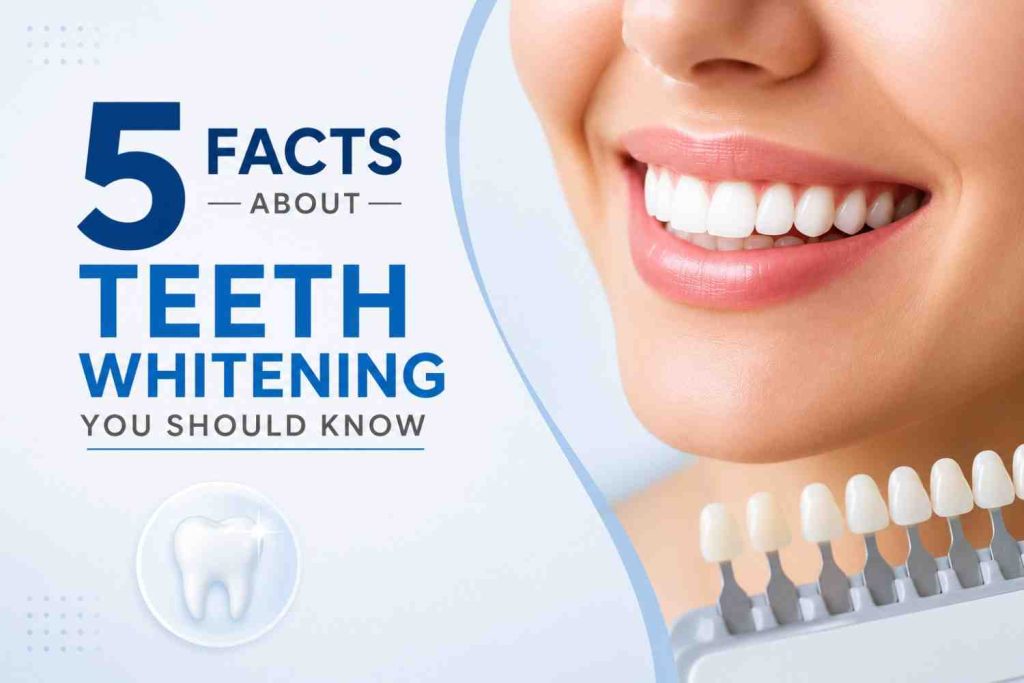
Teeth whitening remains one of the most requested cosmetic dental treatments because brighter teeth often improve confidence and smile appearance. However, many people hold unrealistic expectations or misunderstand how whitening actually works. Consequently, confusion about safety, results, sensitivity, and maintenance frequently leads to disappointment or improper product use. Some stains respond well to whitening treatments, whereas others require different cosmetic solutions entirely. Knowing the facts behind whitening procedures helps people make informed decisions and protect their oral health. Proper care, realistic expectations, and professional evaluation all contribute to safer and more satisfying whitening outcomes.
Table of Contents
ToggleWhy Do Teeth Become Discolored?
Tooth discoloration develops for several reasons, and identifying the cause often determines how effective whitening treatment may become. Consequently, not every stain responds equally to bleaching products or whitening procedures.
Several common factors contribute to tooth staining:
- Coffee and tea consumption
- Red wine and dark beverages
- Tobacco use
- Poor oral hygiene
- Aging
- Certain medications
- Excess fluoride exposure
- Tooth injuries
Surface stains affect the outer enamel layer and usually respond well to whitening methods. In contrast, deeper internal discoloration often requires more advanced cosmetic treatment.
Moreover, enamel naturally becomes thinner with age, exposing more yellow dentin underneath. Therefore, older adults may notice darker teeth even when maintaining excellent oral hygiene habits.
Fact One: Whitening Does Not Work the Same for Everyone
Many people expect identical whitening results regardless of tooth condition, age, or stain type. However, whitening effectiveness varies significantly from person to person.
Different Stains React Differently
Yellow stains generally respond more effectively to whitening treatments than gray or brown discoloration. Consequently, some patients achieve dramatic improvement, whereas others notice only modest changes.
Stains caused by tobacco, beverages, and food often improve successfully with whitening procedures. In contrast, discoloration linked to medications or internal tooth damage may resist bleaching products entirely.
Existing Dental Work Does Not Whiten
Whitening products affect natural tooth enamel only. Therefore, crowns, veneers, fillings, and bonding materials typically remain unchanged during treatment.
This difference can create uneven coloration if restorations sit near visible teeth. Consequently, cosmetic replacement may become necessary after whitening to maintain a consistent appearance.
Age Also Influences Results
Younger patients often experience faster whitening because their enamel usually remains thicker and less stained. However, older adults may still achieve noticeable improvement with appropriate treatment plans and proper maintenance.
Professional evaluation helps determine whether whitening offers realistic results based on tooth condition and discoloration severity.
Fact Two: Teeth Whitening May Cause Temporary Sensitivity
Sensitivity represents one of the most common side effects associated with whitening treatments. Although the discomfort usually remains temporary, many people feel concerned when symptoms appear unexpectedly.
Why Sensitivity Happens?
Whitening agents penetrate enamel to break apart stain molecules beneath the surface. Consequently, teeth may become temporarily more sensitive to temperature changes during the treatment process.
Cold drinks, hot foods, and air exposure often trigger discomfort for sensitive teeth after whitening sessions. However, symptoms generally improve within several days.
Factors That Increase Sensitivity Risk
Several conditions may increase the likelihood of sensitivity:
- Existing enamel erosion
- Gum recession
- Frequent whitening
- Cracked teeth
- Untreated cavities
- Aggressive brushing habits
Consequently, people with preexisting dental concerns should seek professional evaluation before beginning whitening treatment.
Ways to Reduce Sensitivity
Several strategies may help manage discomfort effectively:
- Using sensitive toothpaste
- Avoiding extremely hot or cold foods
- Taking breaks between whitening sessions
- Following product instructions carefully
- Avoiding overuse of whitening products
Professional supervision often reduces the risk of excessive irritation or enamel damage significantly.
Fact Three: Overusing Whitening Products Can Harm Teeth
Many people assume that more whitening automatically creates faster or brighter results. However, excessive use of bleaching products may damage enamel and irritate oral tissues.
The Risks of Over-Whitening
Frequent whitening without proper supervision may lead to:
- Increased tooth sensitivity
- Gum irritation
- Enamel weakening
- Uneven coloration
- Tooth dehydration
Consequently, following recommended treatment schedules remains extremely important for long-term oral health.
Some individuals repeatedly whiten their teeth because they become dissatisfied with natural shade variations. In contrast, realistic expectations often prevent unnecessary product overuse.
DIY Methods May Create Additional Problems
Internet remedies involving lemon juice, charcoal, or baking soda sometimes appear appealing because they seem inexpensive and accessible. However, abrasive or acidic substances may erode enamel and increase staining over time.
Safe whitening should focus on enamel protection rather than aggressive stain removal methods.
Professional Monitoring Improves Safety
Dental professionals evaluate enamel condition, gum health, and existing restorations before recommending whitening treatment. Consequently, professional oversight often produces safer and more balanced cosmetic results.
A dentist in Florham Park NJ, may also identify hidden cavities or gum concerns that should receive treatment before whitening begins.
Fact Four: Whitening Results Require Maintenance
Teeth whitening does not provide permanent results because daily habits continue affecting enamel color after treatment ends. Consequently, maintenance plays a major role in preserving brightness.
Foods and Drinks That Cause Restaining
Several substances commonly stain teeth after whitening:
- Coffee
- Tea
- Red wine
- Cola
- Tomato sauces
- Berries
- Tobacco products
Avoiding these items completely may feel unrealistic. However, reducing exposure and rinsing with water afterward may help preserve whitening results longer.
Oral Hygiene Affects Whitening Longevity
Consistent oral hygiene significantly influences stain accumulation. Therefore, brushing, flossing, and regular cleanings help maintain brightness and reduce discoloration over time.
Patients who neglect hygiene often notice faster stain return regardless of the whitening method used.
Periodic Touch-Ups May Be Necessary
Many people require occasional touch-up treatments because natural staining gradually returns over time. However, touch-ups usually involve shorter treatment periods than the original whitening process.
Professional recommendations regarding treatment frequency help minimize unnecessary enamel exposure.
Fact Five: Not Every Person Is a Good Whitening Candidate
Although whitening benefits many individuals, certain dental conditions may limit treatment suitability or effectiveness.
Conditions That May Affect Eligibility
Several factors may require caution before whitening:
- Severe tooth sensitivity
- Active gum disease
- Untreated cavities
- Worn enamel
- Cracked teeth
- Pregnancy concerns
- Extensive dental restorations
Consequently, professional examination becomes important before beginning treatment, especially for people with existing dental problems.
Children and Teenagers Need Special Consideration
Younger patients may have developing teeth and increased sensitivity risks. Therefore, whitening should occur only under professional supervision when appropriate.
Alternative Cosmetic Options Sometimes Work Better
Some discoloration responds poorly to whitening because stains exist deep within the tooth structure. In these situations, alternatives such as veneers or bonding may provide better cosmetic improvement.
Professional evaluation helps determine the safest and most effective option for each patient’s needs.
Professional Whitening vs Store-Bought Products
People frequently compare professional whitening procedures with over-the-counter products before choosing treatment. Both options can improve discoloration, although they differ significantly in strength, speed, and supervision.
Advantages of Professional Whitening
Professional whitening typically offers:
- Stronger whitening agents
- Customized treatment plans
- Faster visible improvement
- Professional monitoring
- Reduced risk of uneven results
Consequently, many patients achieve more dramatic changes under professional care compared with standard retail products.
Benefits of Store-Bought Products
Whitening strips, trays, and toothpaste provide convenient and lower-cost alternatives. Moreover, mild surface stains often respond reasonably well to these products when instructions are followed properly.
However, results usually appear more gradually. Additionally, poorly fitted trays may create gum irritation or uneven whitening patterns.
Choosing the Right Option
Treatment selection should depend on:
- Stain severity
- Budget
- Tooth sensitivity
- Existing dental work
- Desired whitening speed
Consultation with a dental professional often prevents unrealistic expectations and unnecessary complications.
How Lifestyle Habits Affect Whitening Results?
Lifestyle choices strongly influence both whitening success and stain recurrence. Consequently, maintaining brighter teeth requires attention beyond the whitening procedure itself.
Smoking and Tobacco Use
Tobacco products create deep stains that often return quickly after whitening. Moreover, smoking may increase gum disease risk and contribute to unpleasant mouth odor.
Patients who stop smoking often maintain brighter smiles more successfully over time.
Diet and Beverage Choices
Dark beverages remain among the most common causes of recurring discoloration. Drinking through a straw may reduce direct enamel exposure in some situations.
Water-rich foods and proper hydration also support healthier saliva production, which naturally helps reduce stain buildup.
Oral Hygiene Habits
Daily plaque removal helps limit surface discoloration significantly. Consequently, consistent brushing and flossing support both oral health and cosmetic appearance simultaneously.
Skipping hygiene routines may allow stains to return more rapidly after treatment.
Common Myths About Teeth Whitening
Many misconceptions about whitening products create confusion and unrealistic expectations. Consequently, separating myths from facts helps patients make safer treatment decisions.
Several common myths include:
- Whitening damages all enamel permanently
- Whitening works equally on every stain
- Whitening toothpaste changes tooth color dramatically
- Stronger bleach always means better results
- Natural remedies remain completely safe
Professional whitening performed correctly generally remains safe for healthy teeth. However, excessive or improper treatment may create avoidable complications.
Moreover, whitening toothpaste primarily removes surface stains rather than deeply changing enamel color. Consequently, patients expecting dramatic shade changes may feel disappointed without professional guidance.
Signs You Should Pause Whitening Treatment
Although mild sensitivity often remains temporary, certain symptoms may indicate that whitening should stop immediately.
Warning signs include:
- Sharp ongoing pain
- Gum burns or irritation
- White patches on gums
- Severe tooth sensitivity
- Uneven discoloration
- Cracked enamel sensations
Ignoring these symptoms may worsen oral discomfort or increase the risk of damage. Therefore, professional evaluation becomes important whenever unusual reactions appear during treatment.
Patients should also avoid combining multiple whitening products simultaneously unless instructed by a dental professional. Excessive exposure to bleaching ingredients may increase irritation and compromise enamel strength over time.
Conclusion
Teeth whitening can improve the smile’s appearance significantly when performed safely and with realistic expectations. However, treatment results depend on stain type, oral health, maintenance habits, and proper product use. Sensitivity, uneven results, and enamel irritation may occur when whitening is applied excessively or improperly. Consequently, professional evaluation often helps patients choose safer and more effective treatment options. Long-term brightness also requires consistent oral hygiene and reduced exposure to staining substances. Healthy enamel, balanced cosmetic goals, and regular dental care all contribute to more satisfying whitening outcomes and stronger overall oral health over time.
FAQs
1. How long do teeth whitening results usually last?
Whitening results may last several months to several years, depending on oral hygiene, diet, smoking habits, and maintenance care. Consequently, people who avoid staining foods and maintain regular cleanings often preserve brighter teeth longer. Periodic touch-ups may help maintain results without excessive bleaching exposure or enamel irritation.
2. Does whitening damage enamel permanently?
Proper whitening performed according to instructions generally does not damage healthy enamel permanently. However, overusing whitening products or applying abrasive home remedies may weaken enamel over time. Consequently, professional supervision and moderate treatment schedules help reduce risks while supporting safer cosmetic improvement and long-term dental health.
3. Why do teeth feel sensitive after whitening?
Sensitivity occurs because whitening agents temporarily penetrate enamel and expose microscopic pathways leading toward the inner tooth structure. Consequently, hot or cold temperatures may trigger discomfort briefly. Most sensitivity improves within several days, especially when patients use desensitizing toothpaste and avoid excessive whitening sessions during treatment.
4. Can whitening remove all types of stains?
No, whitening treatments work better on some stains than others. Yellow discoloration often responds effectively, whereas gray or medication-related stains may resist bleaching. Consequently, professional evaluation helps determine whether whitening, bonding, veneers, or another cosmetic treatment offers the best improvement for specific discoloration patterns and dental conditions.
5. Are whitening toothpastes as effective as professional whitening?
Whitening toothpaste mainly removes surface stains through gentle polishing ingredients. However, it usually cannot change deep enamel color dramatically like professional whitening treatments. Consequently, people seeking noticeable shade improvement often require stronger whitening systems supervised by dental professionals for more visible and consistent cosmetic results.
6. Can people with crowns or veneers whiten their teeth?
Whitening products do not change the color of crowns, veneers, or fillings because these materials differ from natural enamel. Consequently, surrounding teeth may become lighter while restorations remain unchanged. Patients with visible restorations sometimes require cosmetic replacement afterward to maintain consistent shade and balanced smile appearance.
7. Is professional whitening safer than home whitening kits?
Professional whitening often provides greater safety because dental professionals evaluate oral health before treatment and monitor progress carefully. Moreover, customized trays and controlled bleaching concentrations may reduce gum irritation and uneven results. Home kits can still work effectively when patients follow instructions properly and avoid excessive use.
8. How soon can teeth stain again after whitening?
Teeth may begin absorbing stains shortly after whitening because enamel becomes temporarily more porous during treatment. Consequently, avoiding dark foods and beverages for several days often helps preserve brightness. Long-term staining speed depends heavily on smoking habits, oral hygiene, and daily dietary choices over time.
9. Can teenagers use teeth whitening products safely?
Teenagers may experience greater sensitivity because their teeth continue developing. Therefore, whitening should occur only under professional supervision when appropriate. Dental professionals evaluate enamel strength, oral health, and treatment necessity before recommending whitening for younger individuals to reduce sensitivity risks and protect long-term dental development safely.
10. What should people avoid after whitening treatment?
Patients should avoid tobacco, coffee, tea, red wine, dark sauces, and strongly colored foods immediately after whitening because enamel remains more vulnerable to staining temporarily. Moreover, maintaining careful brushing and hydration helps preserve results. Following aftercare instructions closely often improves whitening longevity and reduces unnecessary discoloration recurrence.